
Guides
Beginner-friendly The Girl in the Window guides: how the escape loop works, how to use the hint system, item management and the fastest path to your first clear.
Introduction
The guides hub is the front door of the wiki: it explains the systems that the walkthrough assumes and the puzzle pages reference. New players learn the point-and-click escape loop — examine, collect, combine, unlock — and the examination habits that separate a smooth run from a backtracking mess. Returning players find the resource questions: how the hint system actually behaves, which item chains matter, how long a clear should take and when a stuck state means you missed a room rather than a trick. Everything here is spoiler-light by design; the hub teaches you to play, not what happens. If you have just walked through the locked door as Dan, start with the first card and work down — the order matches how the house itself introduces its systems.
The First-Hour Roadmap
| Phase | Focus | Key Habit | Checkpoint |
|---|---|---|---|
| First 15 min | Entry room sweep | Examine every drawer and pocket | Candle, note and photo collected |
| 15-40 min | Supply run | Read every item description | Notebook and first keys owned |
| 40-70 min | Puzzle gates | Derive, do not guess | Symbol box open, TV running |
| Final stretch | Finale sequence | Save before the portrait | Door unlocked |
Core Concepts
The Escape Loop
Examine, collect, combine, unlock — the four beats of every room
Using the Hint System
A nudge toward the objective, not an answer key
Item Combinations
Matches plus candle, shard plus handle — the inventory is a crafting table
Save Anytime
The safety net that changes how boldly you can experiment
Core Mechanics
Underneath its horror dressing, The Girl in the Window runs a clean systemic loop. Interaction is fully point-and-click: no timing, no dexterity, no fail states other than your own patience. Progress is gated by an item-chain graph — each locked thing lists its key, each key is crafted from two found objects, and the house distributes those objects so that every room contributes to a later gate. The randomized layer sits on top: a handful of puzzles re-roll their answers per playthrough, converting memorization into derivation. The hint system closes the loop by reading your inventory and flags to point at the skipped link in the chain. Once you see the graph, the house stops being scary and starts being a crossword — which is exactly the experience Dark Dome designed.
Advantages
Reading the systems-first guides changes your entire session shape. Players who learn the escape loop and the combination habit first clear the house near the intended one-to-two-hour window, while unprepared players commonly double that time through backtracking alone. The guides also protect the experience itself: knowing that hints are a designed pacing tool means you use them at the right moments instead of either suffering in silence or stripping the game bare. For the growing share of players coming from Rusty Lake-style games, the hub maps those instincts onto this house's specific grammar — evidence is printed in the environment, not in menu screens. Finally, every hub article cross-links to the walkthrough and puzzle pages, so graduation from beginner material to specific solutions is one click away.
Challenges
The systems approach has honest limits. Because the game is short and hand-crafted, guides can only generalize so far before the house's specific quirks take over — no loop description substitutes for counting leaves on the actual pots in your actual run. Spoiler management is also an active effort: hub articles stay light, but the related walkthrough and endings pages do not, and one careless click in the related-articles sidebar can reveal the twist you were protecting. And since the Steam version is freshly launched, any guide written against the mobile build can drift if patches adjust interactions. The practical rule: read the systems here, then close the wiki and play — returning only for the specific gate that genuinely stops you.
Frequently Asked Questions
What should I do in my first hour?+
How do I stop getting stuck?+
Is the game scary or can I relax?+
Should I replay it after the first clear?+
Quick Tips
Never leave a new room after solving its first puzzle — sweep it completely first, because later items change earlier puzzle inputs.The house distributes puzzle pieces across rooms on purpose, so the room you just solved is often holding a component for the gate two rooms ahead, and a thirty-second sweep now is a five-minute backtrack saved.
Use the hint system without guilt after sixty seconds of honest searching. It is a designed pacing tool, not an admission of defeat.The hint points at the objective, not the answer, so it preserves the puzzle while removing the wander — and the game tracks nothing, meaning there is literally no cost to using it.
Open the inventory after every pickup and pair what glows. Combinations are the real keys of this house, not the loose objects.Almost every gate consumes a crafted tool, and the inventory flags pairs the moment both halves exist — the players who wander are almost always the players who never opened the bag.
Save before the portrait sequence and experiment freely everywhere else. Nothing in the house can permanently block you except the finale.The randomized answers reward bold testing since a wrong input costs nothing, but the portrait mount is a point of no return — that single save is the only one that truly matters.
Featured
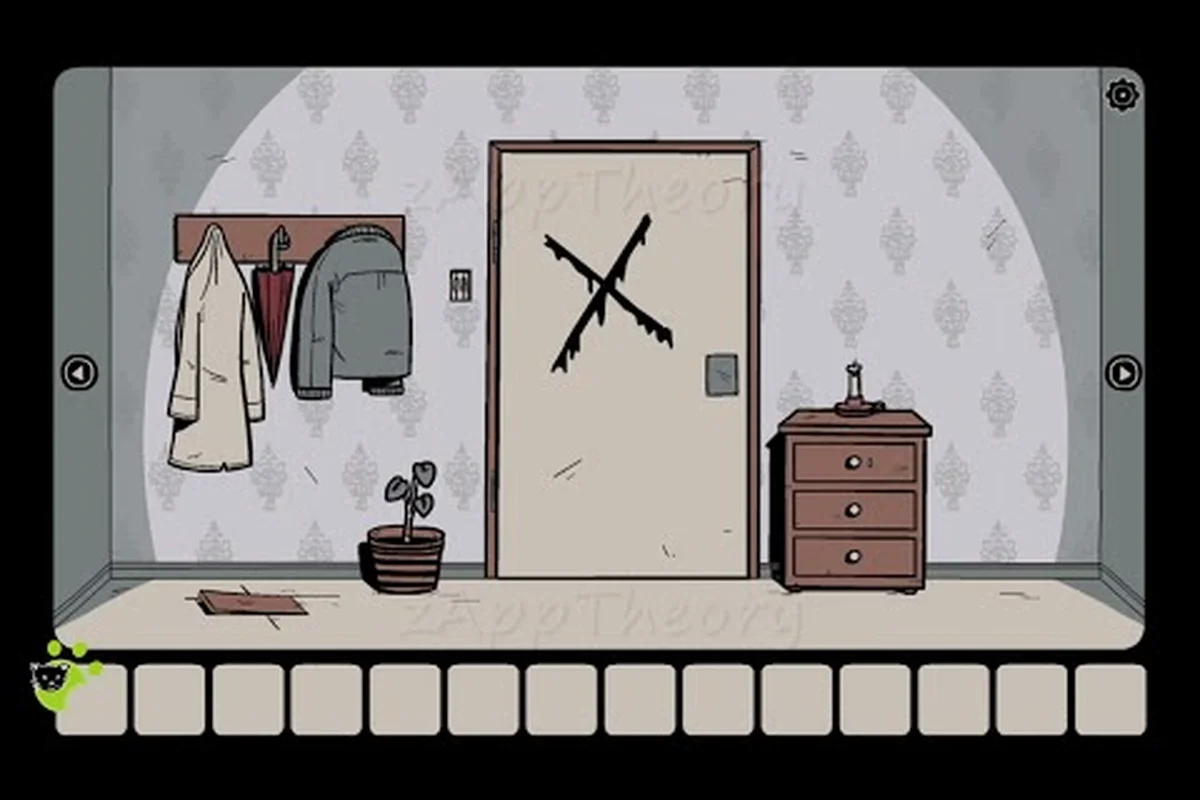
The Girl in the Window Beginner Guide: First Escape Tips
Master The Girl in the Window beginner guide with the first-room search order, item combination basics, and smart hint use that get new players out fast.

The Girl in the Window Gameplay Guide: Items, Inventory & Combos
Learn how The Girl in the Window gameplay loop works, which items to combine first, and how to manage your inventory so no clue slips past you.
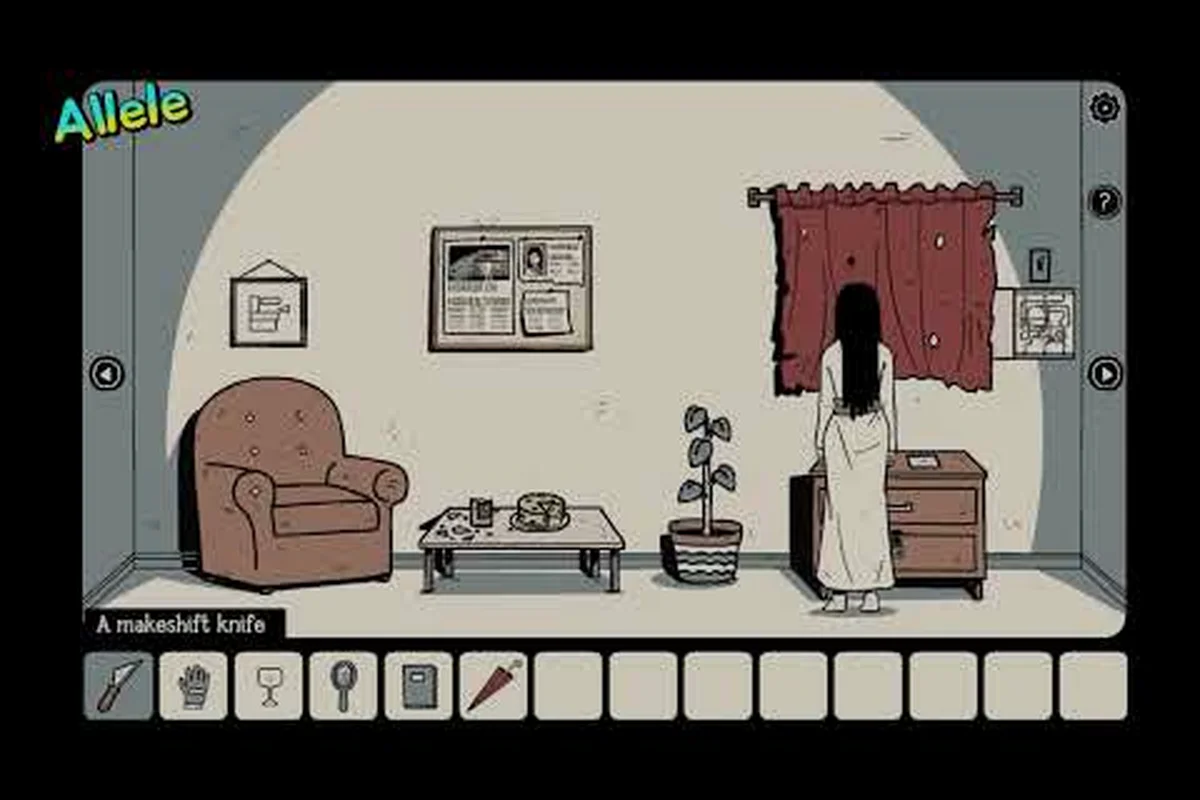
The Girl in the Window Complete Guide: Items, Codes, Route
Our the girl in the window complete guide walks every room, code, and item combo in order, so you can finish the escape without missing a single clue.
All Articles
The Girl in the Window Pro Tips: Faster, Smarter Escapes
Level up with The Girl in the Window pro tips on scan order, combo planning, and randomized-code logic that shaves minutes off any playthrough.

The Girl in the Window Essential Tips Before You Play
Ten things The Girl in the Window essential tips wish you knew first: examine everything, hoard keys, and never force a puzzle before the clue appears.
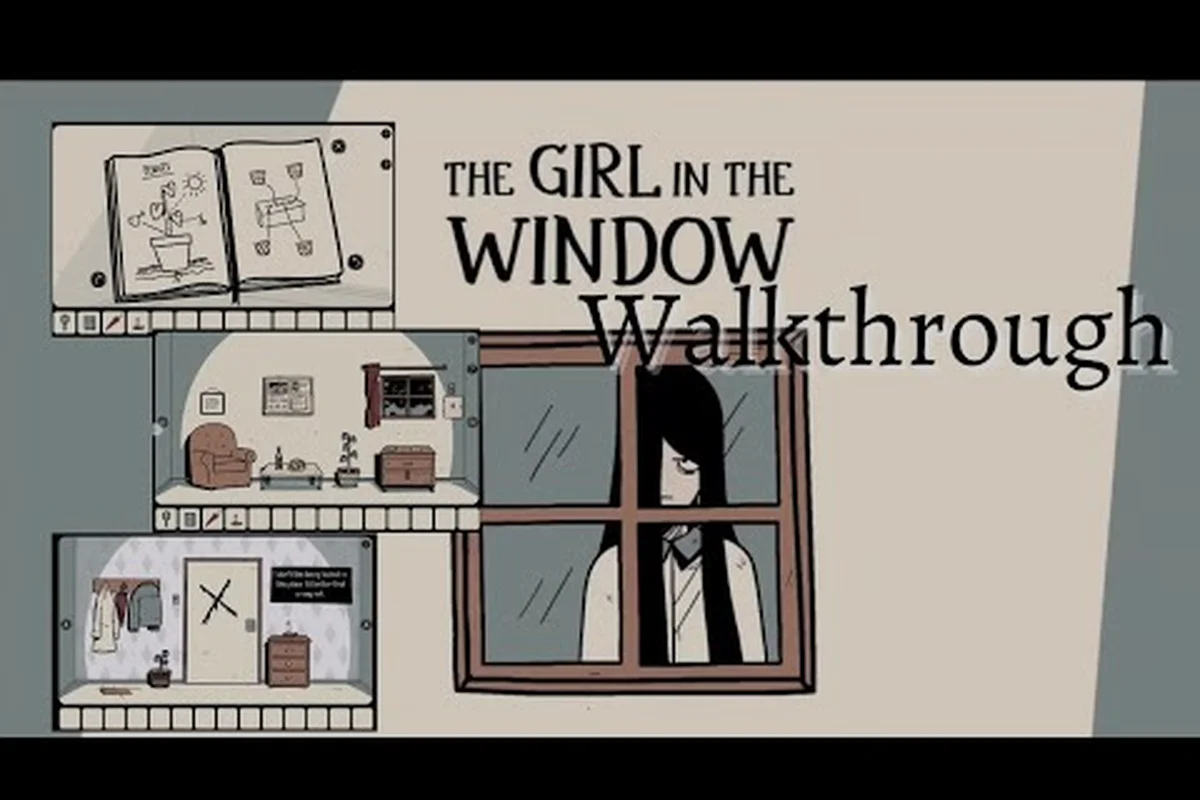
The Girl in the Window Hints: When to Use Them Wisely
How The Girl in the Window hints system works, when to spend one, and how to read its nudge without spoiling the puzzle that has you stuck.
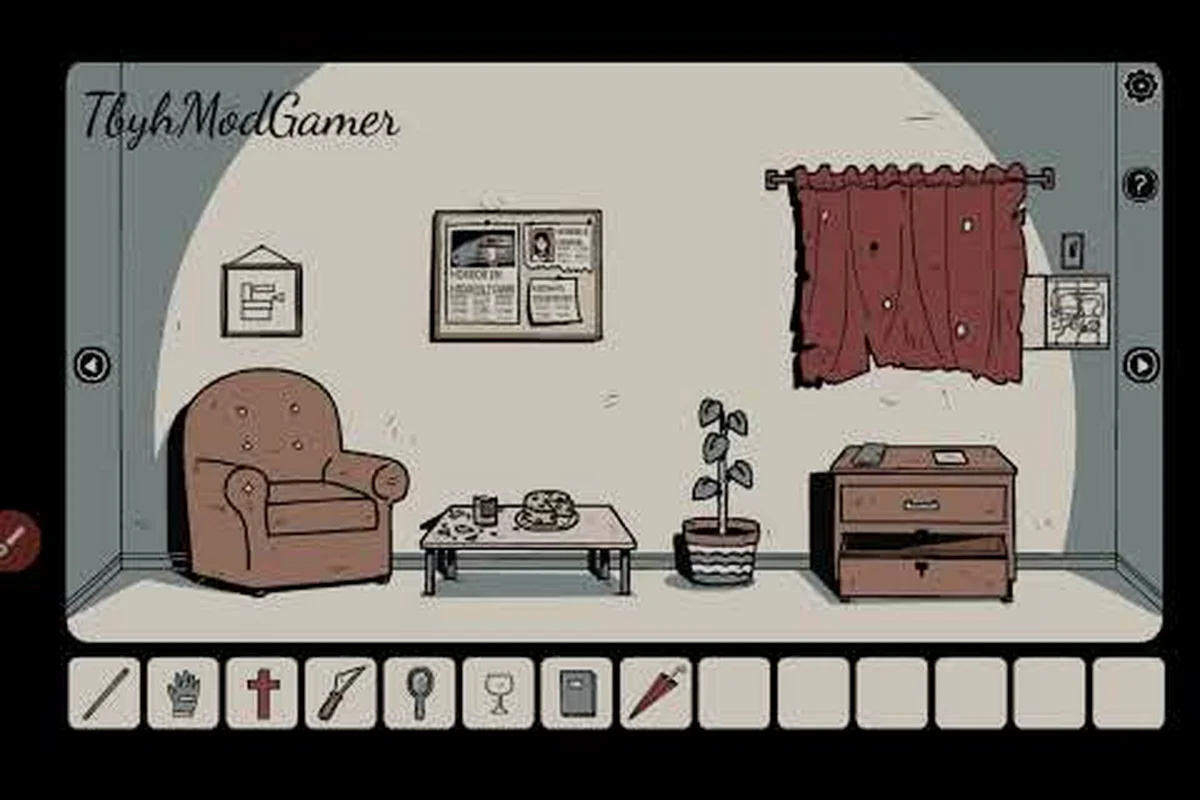
The Girl in the Window How to Save: Manual Saves Explained
The Girl in the Window how to save guide covers the save-anytime system, reload tricks after a wrong code, and what progress carries between sessions.

The Girl in the Window Interactive Items: Every Hotspot
Every hotspot worth tapping in The Girl in the Window interactive items tour, from drawers and flower pots to the wallpaper seam that hides the glass shard.
The Girl in the Window Observation Tips: Spot Every Clue
Sharpen the girl in the window observation tips that matter: scan order, hotspot habits, and visual tells that surface clues before puzzles stall.

The Girl in the Window Interface Explained: Menus and UI
The Girl in the Window interface explained room by room: inventory, hint button, settings, and the visual cues that tell you where to look next.