
Story & Lore
The Hidden Town mystery explained: the 20-year-old murder, the girl at the window, the plot twist ending and how the case links to The Ghost Case.
Introduction
Beneath the puzzles, The Girl in the Window is a single sustained mystery: why does a girl watch from the window of a house abandoned for twenty years, and what happened the night it was sealed? This section reconstructs the case from the evidence Dan finds — the photograph in the drawer, the note in the coat pocket, the VHS tape, the diary pages and the newspaper clippings — and follows it to the twist ending that recontextualizes all of it. We also map how this first episode plants the seeds of the entire Hidden Town universe, including the direct handoff to The Ghost Case, where Detective Ren Larsen reopens the very murder this house was built to hide. Spoiler control is tiered: the timeline cards stay safe, the twist analysis does not.
The Case Timeline
| Evidence | Found In | What It Shows | Story Weight |
|---|---|---|---|
| The Photograph | Entry room drawer | A moment from before the sealing | Establishes the household |
| The Coat-Pocket Note | Entry room coat | A message from the past | First hint of the case |
| The VHS Tape | Repaired TV | The house as it once was | Mid-point reveal |
| Diary & Newspaper | Back rooms | The town's account of events | Confirms the timeline |
Case Files
The Unsolved Murder
Twenty years of silence around one house
The Girl at the Window
Why the town watches the house — and who watches back
The Twist Ending
The reveal that reframes everything Dan found
The Ghost Case Handoff
How episode one becomes the fourth game's cold case
Core Mechanics
The narrative is delivered entirely through environmental storytelling — there are no cutscene dumps before the finale, no dialogue trees, no narrator. Every story beat is bound to a puzzle object: the photograph you need for the drawer code also establishes the household, the VHS tape required for the wallpaper clue also delivers the mid-point reveal, and the diary pages that double as puzzle keys also carry the house's history. This binding is the design trick that makes the mystery fair: the player cannot progress without absorbing the evidence, because the evidence is the progress. The twist ending then works by inversion — it does not introduce new information so much as reinterpret the objects the player has been handling for two hours, which is why attentive players report the reveal feeling earned rather than sprung.
Advantages
Approaching the story as a case file — evidence first, theory second — gets materially more out of the game than casual play. First, the twist lands harder: players who tracked the collectibles report the recontextualization as genuine surprise with retrospective fairness, the rare combination that makes replays rewarding. Second, the case-file habit transfers directly to The Ghost Case, which is structured as a literal investigation of this very house; players who know the episode-one evidence recognize the case-file callbacks immediately. Third, the shared universe rewards this reading across all nine games — Dark Dome plants cross-episode details the way this house plants photographs. Finally, understanding the story's structure settles the community's most recurring confusion: what is confirmed, what is theory, and what the official design actually promises about the ending.
Challenges
Story analysis has three honest pitfalls. Spoilers are structural: a complete account of the case necessarily includes the twist, so every page here is tiered and players protecting a blind experience must respect the gates. Speculation is the second — the fragmented evidence invites theories that outpace the facts, and community posts frequently present inference as confirmation, particularly around the girl's identity and reported multiple endings; anything not sourced to the game or to official Dark Dome material is flagged here as theory. Drift is the third: patches and the upcoming Everlasting Curse can recontextualize details, so timeline conclusions may need revision as the universe grows. Read the case, enjoy the theory — but keep the labels straight.
Frequently Asked Questions
Who is the girl in the window?+
What happened in the house 20 years ago?+
Does the story connect to other Dark Dome games?+
Are there multiple endings?+
Quick Tips
Collect everything before theorizing. The house reveals its case in layers, and early conclusions from partial evidence are usually wrong by design.The photograph, note, tape and diary are sequenced deliberately — the game wants you to hold an incomplete picture until the finale, so let it and the twist will land far harder than it does for players who rush to wiki spoilers.
Replay the VHS tape before big story moments. It is the single densest evidence object in the house and it updates contextually.The mid-point reveal it carries is easy to skim past on first watch, and a second viewing right before the wallpaper stage makes the ending's recontextualization much more visible.
Keep confirmed scenes separate from community theories when reading discussions. Most heated arguments in fan spaces are about unverified details.The wiki marks confirmed versus theoretical on every story page; adopting that habit early means the twist discussion after your credits roll stays fun instead of confusing.
After the credits, play The Ghost Case. The sequel literally reopens this house's murder and rewards every detail you remember.The case-file callbacks are the series' best cross-game moment, and they only pay off for players who finished this episode first — the universe can be played in any order, but this pairing is the intended one.
Featured
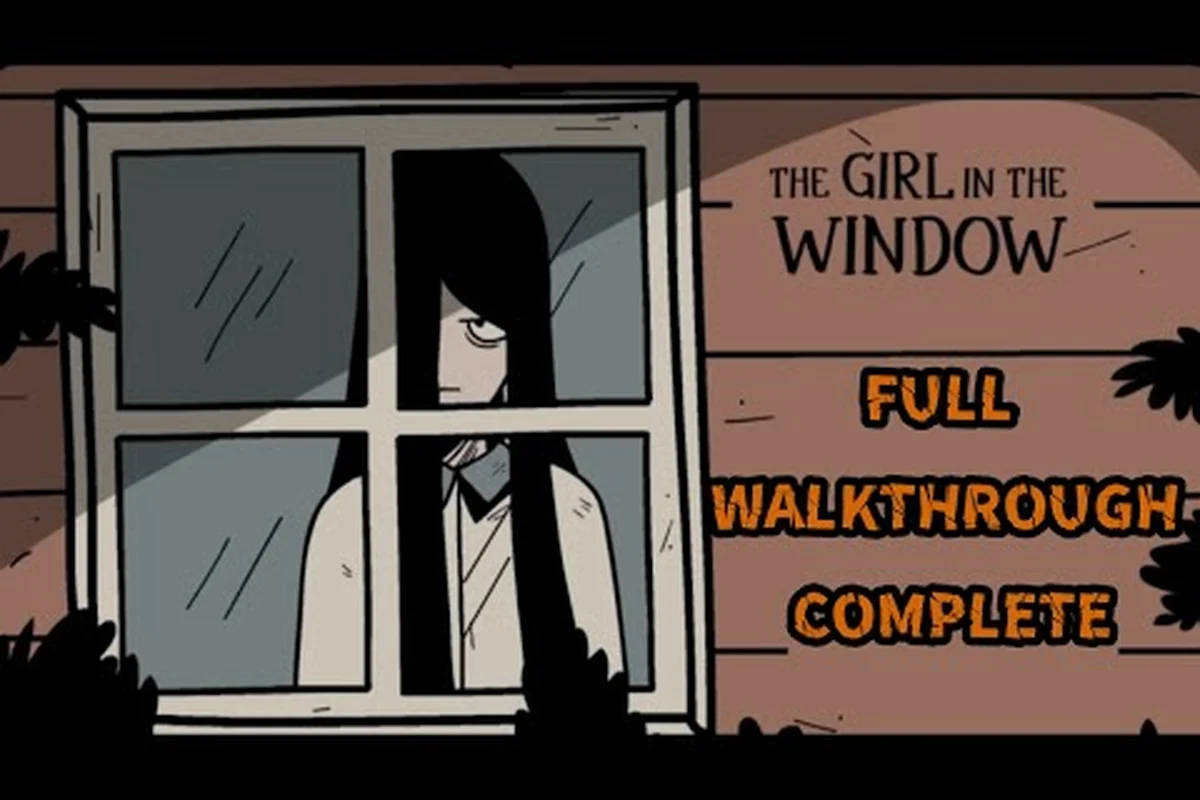
The Girl in the Window Story Explained: Mia and the Case
The Girl in the Window story explained from the 20-year-old murder to Mia at the window, piecing together what really happened inside the house.
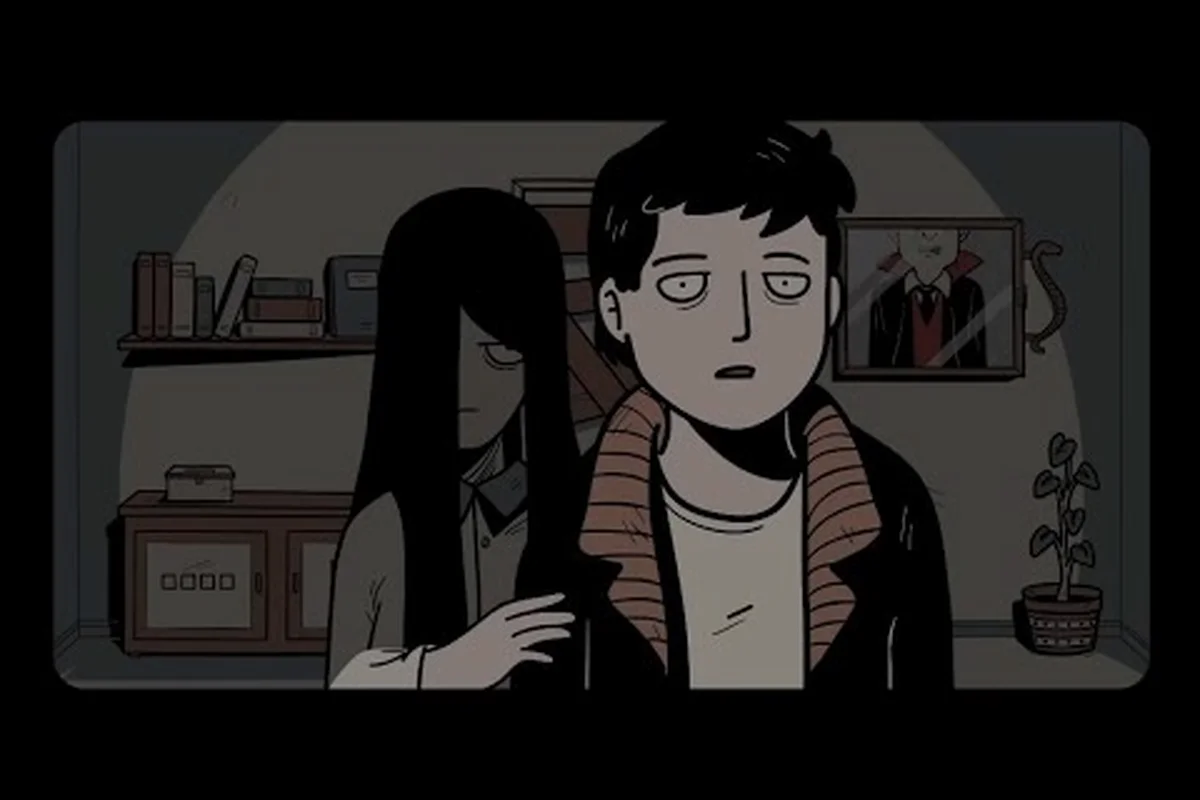
The Girl in the Window Abandoned House Story: 20 Years Sealed
The Girl in the Window abandoned house story reconstructs why the home stood empty for two decades and which clues timestamp the unsolved crime.
The Girl in the Window Dark Dome Story: Origins Explained
The Girl in the Window Dark Dome story connections mapped: how Dan and Mia's case seeds the Hidden Town arc and reaches The Ghost Case.
All Articles
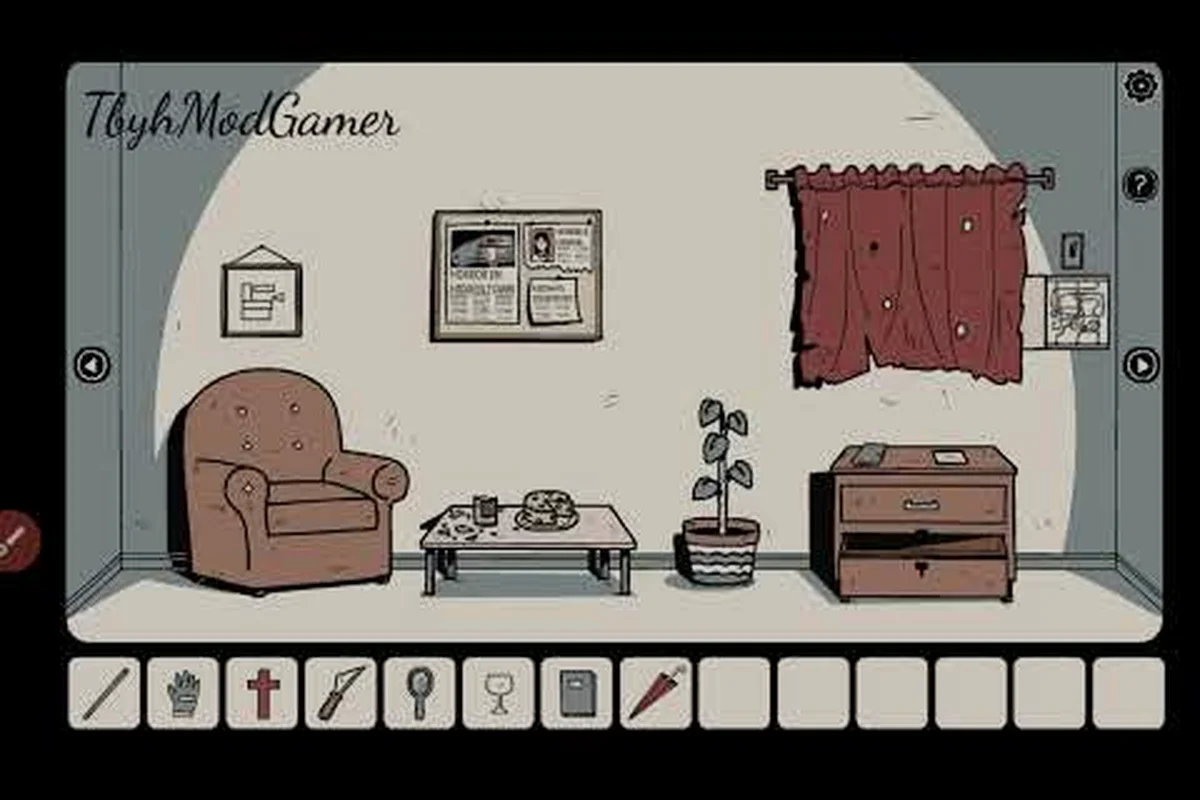
The Girl in the Window Murder Case: Mia, Dan & the Killer
Investigate The Girl in the Window murder case with the full Mia and Dan backstory, the unsolved crime timeline, and a clear answer to who the girl really is.
The Girl in the Window Narrative Explained: Twist and Meaning
The Girl in the Window narrative explained, from environmental storytelling to the plot twist, with the themes hidden behind the hand-drawn rooms.
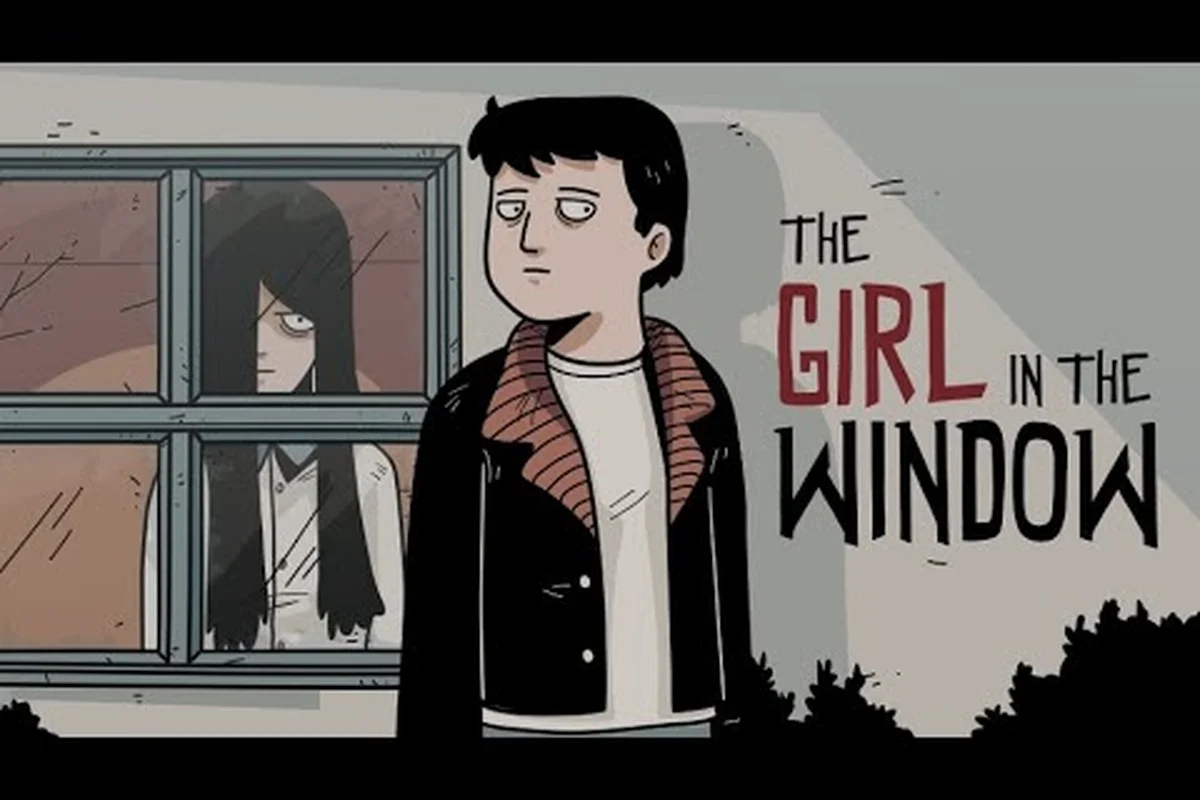
The Girl in the Window Lore: Timeline, Theories, and Backstory
Map every layer of The Girl in the Window lore, from the haunting full timeline and fan theories to the backstory that explains why the girl never leaves the window.
The Girl in the Window Girl Identity: Vampire, Ghost, or Shadow
Uncover the true identity of the girl in the window by weighing every vampire portrait, white-dress ghost sighting, and shadow figure clue that haunts the house.