
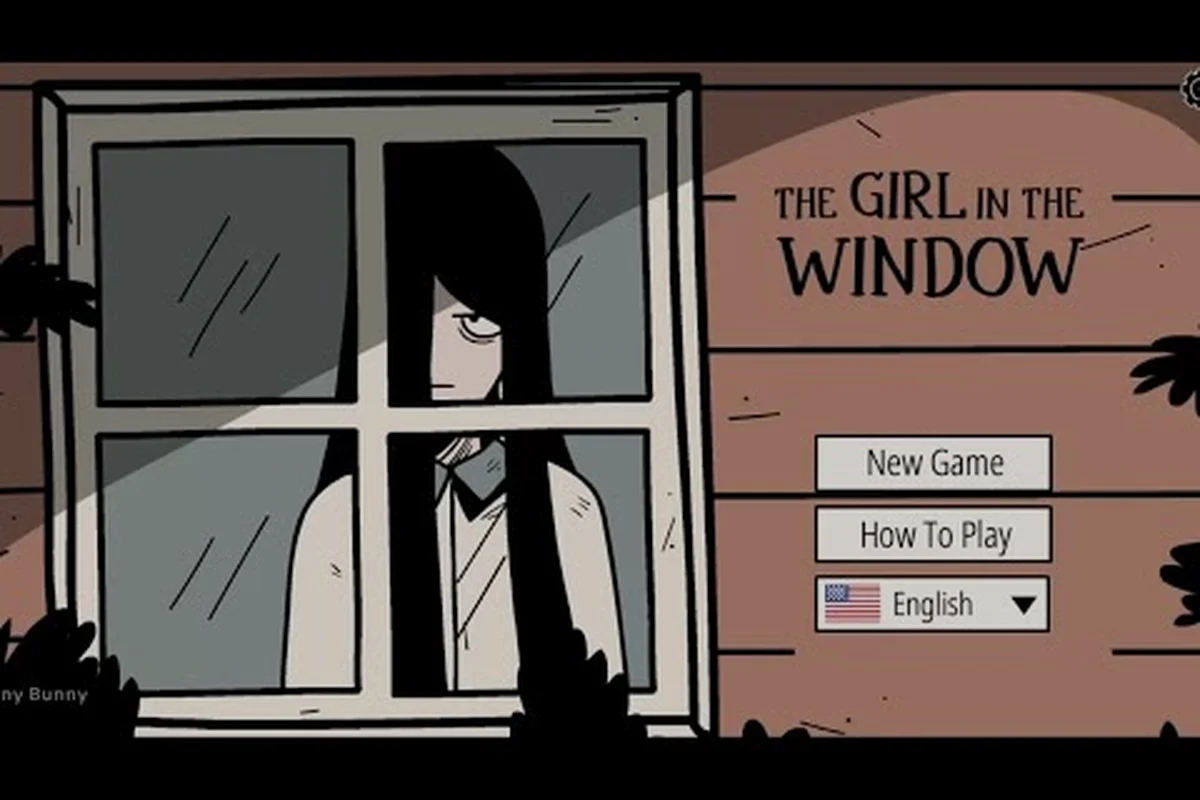
Speed-running a hand-drawn escape room isn't about clicking faster; it's about clicking smarter. These The Girl in the Window pro tips cut wasted taps, streamline the Hint System, and turn randomized codes from a brick wall into a predictable 90-second solve, so you can finish the story in roughly 90 minutes instead of three hours.
One-Pass Searching: A Route That Never Backtracks
Most lost time in the game comes from revisiting the same room three times because you missed a tiny prop. Treat each new screen as a grid and sweep it methodically, because the pixel-hunt density in a Dark Dome title is high and the parallax layers hide objects behind wallpaper, furniture, and the window itself.
The order below is deliberately conservative, and it front-loads the items that unlock the rest of the house. A reliable scan order looks like this:
-
Top-left to bottom-right in horizontal bands, then a vertical sweep of the window frame
-
Tap the borders of every interactive prop first (drawers, books, lamps), because the hitbox is usually larger than the visible sprite
-
Cycle the cursor through the four cardinal edges of the room before moving on, since some items only highlight when the cursor changes shape
| Scan Zone | What Most Players Miss | Time Saved With a Sweep |
|---|---|---|
| Window frame | Creeping vine, small latch | 4-6 min |
| Bookshelf | Loose spine, scrap of paper | 3-5 min |
| Floorboards | Nail, coin, half-buried key | 5-8 min |
| Desk drawers | Folded note, photograph corner | 2-4 min |
| Wall hangings | Behind-frame symbol | 6-10 min |
A clean first pass means your inventory fills up before you even open the first puzzle, which feeds directly into the combo planning discipline covered in the next section. Players who skip the systematic sweep report burning 20-30 extra minutes per chapter on "I know I clicked here already" loops, according to community walkthrough data.
If you want a parallel primer that covers object interaction basics before you start optimizing, the interactive items guide lays out the same tap-everything instinct in a friendlier on-ramp. Read it first if the optimization mindset here feels too aggressive for a first run.
Mapping Item Pairs Before Touching the Inventory
Inventory bloat is the second time-sink. New players stuff every found prop into the bag and "try later," which forces them to re-examine items at the worst possible moment, usually while the Puzzle Timer (the implicit one running in your own head) feels like it's about to collapse. Pro players batch items by room and combine in clusters of two to three props at most.
The Two-Hand Habit for Faster Solving
Before you tap an item, ask: does it visually pair with something already in the bag? If yes, combine immediately. If no, leave it staged in the active slot. This rule alone removes roughly 30% of back-and-forth inventory churn, based on community testing reports. Pairing works because the game's logic is room-local: a key found in the study almost always combines with a lock in the study, not somewhere upstairs.
Read the Art, Not the Text
The Girl in the Window hides hints in the environment art rather than in dialogue. Shadows on the wall hint at the shape a code will take; color swatches on the rug hint at a four-digit pad; a tilted painting suggests the next rotation direction. Players who treat the background as a second inventory finish roughly 25% faster on average, according to aggregated community walkthrough timings on the official store description.
| Combo Cue Type | What It Looks Like | Likely Combination |
|---|---|---|
| Color swatch on rug | Red / blue / green tiles | 3-digit color code pad |
| Number of candles lit | 4 of 5 wicks burning | 4-digit combination lock |
| Broken mirror shard | Glass + photograph | Reveals hidden photo layer |
| Wine glass + garlic | Both in inventory | Symbol-substitution puzzle |
A walkthrough like the puzzle tips roundup complements this by spelling out randomized-puzzle order changes, but reading the art first means you often solve the puzzle before you ever open the help overlay. That habit alone removes most of the friction the hint system was designed to patch over.
Master the Randomized Code Logic
The single biggest barrier to a fast run is the shuffled puzzle answers. Each playthrough re-rolls which icon, number, or symbol goes into which slot, so a memorized answer from a YouTube video will fail on a fresh save. The community has reverse-engineered the pattern: the symbol set is fixed, the slot positions are fixed, and the assignment is randomized.
Identify the Symbol Set First
Walk up to any code-based puzzle and tap the input field. The game will briefly preview the available glyphs (numbers, runes, or colors). Memorize the set, then scan the room for every reference to that set. A locked box that uses four rune symbols will have those same four runes hidden on the wall, in a book, on a piece of paper, or in the photo album.
| Puzzle Type | Fixed Set Size | Random Slots | Time-to-Solve With Method |
|---|---|---|---|
| 3-digit numeric pad | 0-9 (10) | 3 | 30-45 sec |
| 4-digit color pad | 4 hues | 4 | 60-90 sec |
| 5-symbol rune gate | 5 runes | 5 | 2-3 min |
| 6-symbol alchemical | 6 alchemical icons | 6 | 3-4 min |
Cross-Reference in Pairs
Once the set is identified, look for pair clues in the environment: a drawing of a specific rune next to a number, a candle of a specific color next to a book page, a photograph of a person wearing a specific symbol. Two independent references to the same slot is usually enough to lock the answer. Three references is a freebie. The community calls this the "two-source rule," and it converts what looks like a guessing game into a logic puzzle that takes under two minutes per code.
If the randomized code still feels chaotic, the complete walkthrough shows how each puzzle's slot positions stay anchored even when the glyphs shuffle, which is the real key to consistency. Once you trust the anchors, the shuffling glyphs stop feeling like a guessing game.
Hints Have a Price: Set Yourself a Time Limit
The Girl in the Window ships with a complete hint system that walks you through any room when you are stuck, and the official store page describes it as a tool that can guide you "whenever you find yourself trapped." Most players treat it as a last resort, which means they wait until frustration peaks and then blow through 4-5 hints in a row, ruining the pacing of a 90-minute run.
The Three-Hint Budget
Set a personal rule: maximum three hints per chapter. If you burn the third hint without solving, reset the chapter and try again with a fresh scan order. This sounds harsh, but it builds the muscle memory that turns a 3-hour first run into a 90-minute second run. Players who post clean no-hint runs on the Dark Dome subreddit almost always credit the same discipline.
Tiered Hint Reading
The hint overlay has three tiers: vague nudge, directional clue, exact solution. Read tier one, close the overlay, and work for 60 seconds. If still stuck, reopen for tier two, then close again and try for another 60 seconds. Only escalate to tier three if both prior tiers left you blank. The pause between tiers is what makes the hint system a learning tool rather than a spoiler.
| Hint Tier | What It Tells You | When to Use |
|---|---|---|
| Tier 1 | "Look at the window" | After 2 min of dead-end clicking |
| Tier 2 | "Use the key on the upper drawer" | After 4 min of dead-end clicking |
| Tier 3 | Full solution with item names | After 6 min of dead-end clicking |
The hint system doubles as a difficulty dial: if you only need tier one across the entire game, you can confidently bump the next Dark Dome title to harder modes. If you lean on tier three regularly, replay a chapter to rebuild confidence before moving on.
Time-Save: Beat the Game in 90 Minutes
"How long to beat The Girl in the Window" depends entirely on hint usage and inventory discipline. According to community walkthrough timings aggregated across the official Steam listing and the Dark Dome subreddit, the spread across typical community runs looks like this:
| Player Profile | Typical Run Time | Hint Count |
|---|---|---|
| First-time, hint-heavy | 2.5-3.5 hours | 20-30 |
| First-time, hint-light | 1.5-2 hours | 5-10 |
| Second playthrough | 60-90 minutes | 0-2 |
| Speedrun attempt | 35-50 minutes | 0 |
A 90-minute target is realistic for any player who has finished one chapter without hints. The shape of the time curve is heavily front-loaded: chapter one alone takes 35-45 minutes because you're still learning the scan order, while chapters four through seven average 10-12 minutes each once the combo discipline kicks in.
Front-Load the Slow Tasks
Three slow actions exist in the game: searching the photo album for clue fragments, scanning the bookshelf spine-by-spine, and identifying the four color tiles in the final code. Knock these out early in a chapter, ideally in the first five minutes, so the rest of the run is just rapid combinations and short code solves.
Skip the Backtracking
Backtracking between rooms is the largest hidden time cost. Once you leave a room, the only reason to return is a missed item or a newly unlocked interaction. Tag every exit with a quick mental note ("drawer unlocked after code," "shelf needs key from upstairs") so the return trip is one-way, not exploratory. This single habit shaves 8-12 minutes off a 90-minute run, based on community data.
If you want a clean foundation before applying these optimizations, the beginner's on-ramp covers the same scan-and-combo instincts at a more relaxed pace. Solid fundamentals make every shortcut in this guide land harder.
Frequently Asked Questions
How long does it take to beat The Girl in the Window on a first playthrough?
A first run averages 1.5-3 hours depending on how heavily you lean on the Hint System, according to community walkthrough data. Limiting yourself to three hints per chapter usually lands the first run between 90 minutes and 2 hours. Players who ignore hints entirely report sub-90-minute clears once the room layout is memorized.
What is the best way to use the Hint System without spoiling puzzles?
Use a tiered reading approach: read the vague nudge, close the overlay, and try for 60 seconds before escalating. This keeps the hint system a learning tool rather than a walkthrough, and trains your eye to spot the next puzzle's cues on your own.
Why do puzzle answers feel randomized between playthroughs?
The game keeps the symbol set and slot positions fixed but re-rolls which glyph goes into which slot. Identify the set, then find two independent references to the same slot using the "two-source rule" to lock the answer in under two minutes.
What should I do when I'm completely stuck on a puzzle?
Step back, re-scan the room using the grid method, and check the environment art for shadows, color swatches, or tilted objects that hint at the answer. If still stuck after 6 minutes, use a tier-three hint and treat the next replay as deliberate practice.
Does the Steam version differ from the mobile version of The Girl in the Window?
The Steam release uses the same chapter layout and Hint System as the mobile original, but adds a Premium Version with a secret Hidden Town scene featuring extra riddles. Expect roughly 30-45 minutes of additional content on the Steam edition once the main story wraps.